
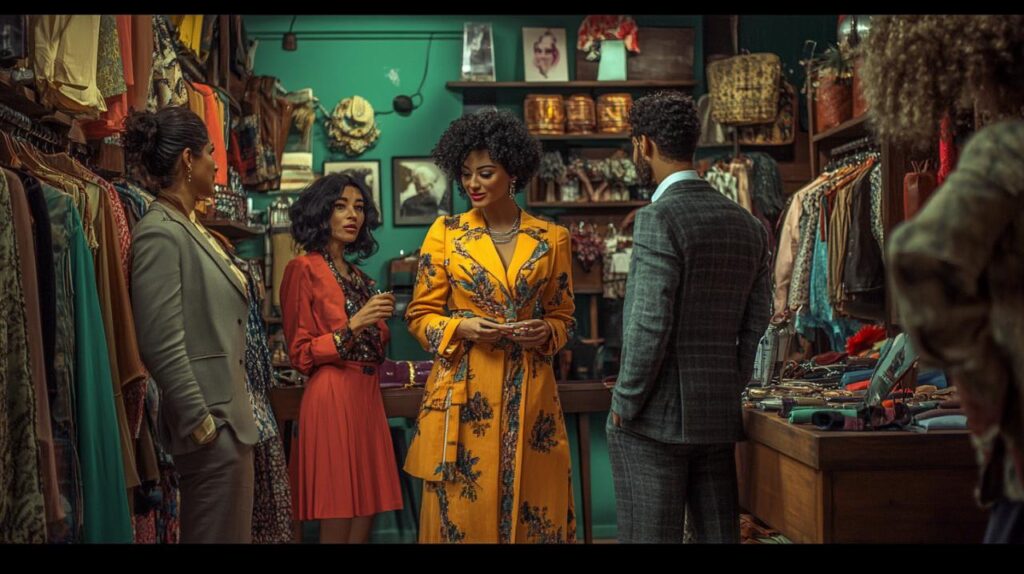
Fashion has always been a powerful lens through which to examine society, culture, and identity. From the garments that defined eras to the subtle shifts in contemporary style, clothing tells stories that transcend mere aesthetics. Yet, within this vast tapestry of dress history and fashion theory, there exists a fascinating intersection where scholarly research meets everyday sartorial choices. This exploration invites us to consider not just what we wear, but why we wear it, how it connects us to global movements, and what it reveals about our place in an ever-evolving cultural landscape.
The evolution of isomodes through fashion history
To truly appreciate the significance of fashion as a social and cultural phenomenon, one must first understand its origins and transformations over time. The concept of isomodes, though not widely discussed in mainstream fashion circles, offers a unique framework for examining how clothing practices have evolved. Researchers such as Tanya Srivarodom, a postgraduate student at University College London studying Library and Information Studies, have delved into extensive fashion resources at the Stuart Hall Library to uncover the layers of meaning embedded in dress and adornment. Her work highlights the importance of looking beyond design aesthetics to understand the sociological and anthropological dimensions of what we wear. This scholarly approach encourages us to learn more about isomodes and their role in shaping our understanding of fashion as a dynamic, ever-changing field.
Tracing the Origins: Where Isomodes Began in Fashion
The roots of isomodes can be traced back to early explorations of how clothing functions within society. Historical analyses, such as those found in Robert Ross's comprehensive work on the history of Western dress and its production, reveal that garments have always been more than mere coverings for the body. They have served as markers of cultural identity, social status, and even political allegiance. The body and social theory, as explored by scholars like Chris Shilling, emphasise the relationship between our physical selves and the societies we inhabit. In this context, isomodes emerge as a way of understanding the patterns and modes of dress that recur across different periods and cultures, each time adapted to reflect contemporary values and global influences.
Fashion theory, a field that has grown significantly over recent decades, provides the intellectual foundation for studying these recurring patterns. Collections of essays, such as those edited by Malcom Barnard, offer critical analysis of the origins of fashion and the ways in which dress has been used to construct and communicate identity. These resources, available in institutions like the Stuart Hall Library, are invaluable for anyone seeking to understand the deeper meanings behind sartorial choices. By examining fashion through this lens, we can see how isomodes function as a bridge between past and present, linking historical dress practices with modern fashion movements.
Isomodes Across the Decades: From Vintage to Contemporary
As we move through the decades, the concept of isomodes becomes even more intriguing. Each era of fashion has brought with it distinct characteristics, yet certain themes and practices have persisted, evolving in response to social, economic, and technological changes. The transnational nature of fashion, as discussed in works edited by Anne Brydon and Sandra Niessen, highlights how globalisation has shaped the way we dress. Ethnographic studies connect theory to practice, revealing how clothing traditions travel across borders and adapt to new contexts. This fluidity is central to understanding isomodes, as they represent not static trends but dynamic modes of dress that respond to the interplay between local cultures and global economies.
The mid-twentieth century, for instance, saw a dramatic shift in fashion as post-war societies grappled with questions of identity and modernity. Western dress became a symbol of progress and cosmopolitanism, yet it also prompted resistance and reinterpretation in various cultural contexts. By the late twentieth and early twenty-first centuries, the rise of fast fashion and the subsequent slow fashion movement further complicated the landscape. These shifts are chronicled in fashion journals and zines, which offer critical perspectives on the social processes that shape our clothing choices. Publications such as Fashion Theory: The Journal of Dress, Body, and Culture provide ongoing commentary on how isomodes manifest in contemporary fashion, examining everything from the psychological impacts of clothing to the ethical considerations of clothing production.
Understanding isomodes in today's fashion landscape
In the current fashion landscape, isomodes take on new relevance as we navigate an increasingly interconnected world. The digital age has transformed the way we consume and engage with fashion, making it possible to access styles and trends from every corner of the globe. Yet, this accessibility also raises important questions about cultural identity, appropriation, and the sustainability of our fashion practices. Understanding isomodes today requires us to look beyond the surface of what is trending and consider the deeper cultural and social currents that influence our sartorial choices.
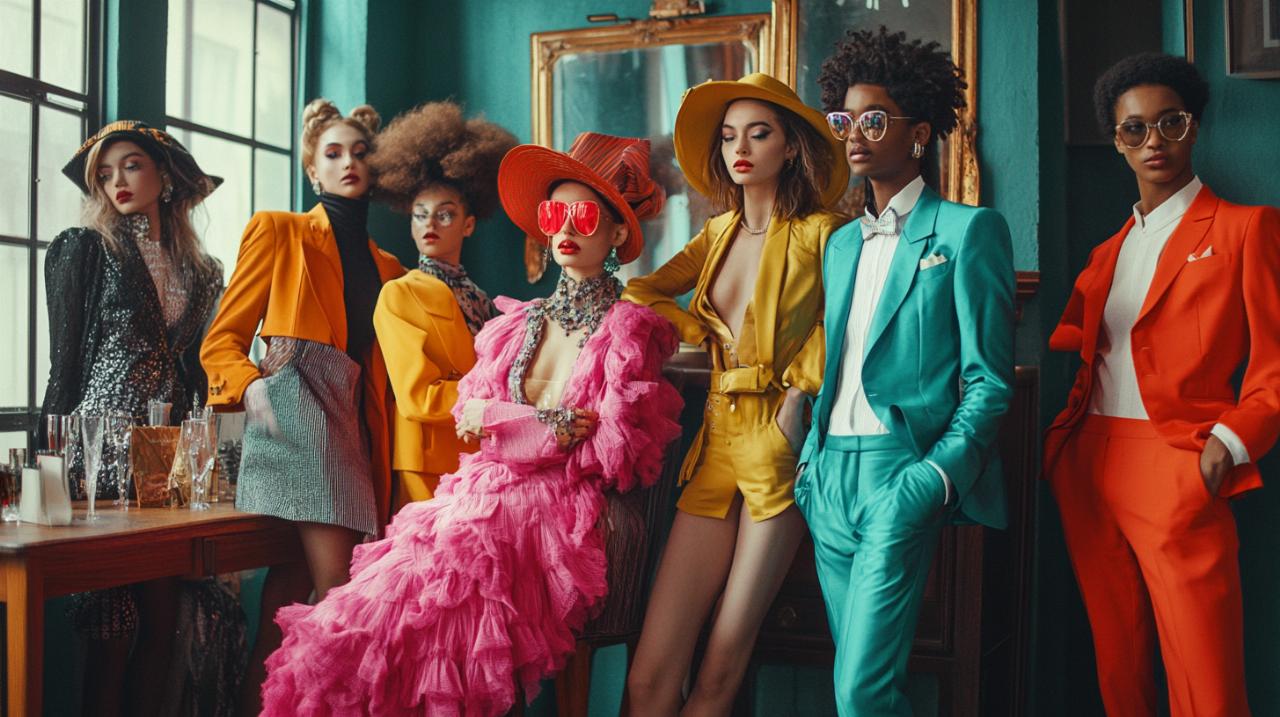
What defines isomodes in modern fashion culture
Modern fashion culture is characterised by its diversity and rapid pace of change. Social media has amplified the reach of fashion trends, allowing styles to spread with unprecedented speed. Yet, beneath this apparent chaos, there are underlying patterns and modes that define contemporary dress. Isomodes in this context can be understood as the recurring themes and practices that emerge across different fashion communities, from streetwear enthusiasts to advocates of minimalist décor and lifestyle. These modes are not dictated by a single authority or fashion house but are instead shaped by a complex interplay of influences, including technology, health, and even mental health considerations.
Scholars and practitioners alike have noted the importance of examining how dressing shapes and is shaped by social processes. Peter Corrigan's analysis of the dressed society underscores the idea that our clothing choices are deeply embedded in the social fabric. In today's world, this means considering how fast fashion and its counterpart, slow fashion, reflect broader debates about consumption, sustainability, and ethical responsibility. The hyper-visibility of certain styles, such as those explored in artistic fashion zines like Pink Arab by Dafy Hagai, also speaks to the ways in which clothing can be a form of resistance or self-expression in the face of cultural homogenisation.
The Influence of Isomodes on Current British Style Trends
British fashion has long been a site of innovation and experimentation, and the influence of isomodes is particularly evident in the way contemporary British style trends have developed. From the vibrant street style of London to the understated elegance favoured by certain circles, British fashion reflects a rich tapestry of influences drawn from both local traditions and global movements. The work conducted at institutions such as the London College of Fashion, where library staff have created resources exploring the psychological impacts of clothing, demonstrates a commitment to understanding fashion as more than just a commercial enterprise.
In recent years, there has been a growing interest in how fashion education can incorporate a broader range of perspectives, moving beyond a sole focus on design to embrace fashion sociology and critical fashion analysis. This shift is crucial for understanding isomodes, as it encourages a more holistic view of how clothing functions within society. British style trends today are shaped by a multitude of factors, including technological advancements, the rise of electric vehicles and their associated lifestyle changes, and even the influence of smart appliances and minimalist home aesthetics. All of these elements contribute to a fashion culture that is both deeply rooted in tradition and constantly evolving in response to new challenges and opportunities.
Moreover, the emphasis on lifestyle and wellbeing has become increasingly prominent in British fashion discourse. Issues such as mental health, antibiotic resistance, and the broader impacts of social media on our daily lives are now considered integral to understanding how we dress and present ourselves. The concept of urban survival, though traditionally associated with practical concerns, has also found expression in fashion choices that prioritise both functionality and style. This convergence of diverse influences reflects the complex nature of isomodes in the modern era, where fashion is not just about following trends but about making conscious choices that reflect our values and aspirations.
As we continue to explore the intersections of fashion, culture, and identity, the study of isomodes offers valuable insights into the ways in which our clothing choices are shaped by and shape the world around us. Whether through academic research at institutions like University College London or through the creative explorations found in fashion journals and zines, the conversation around isomodes encourages us to think more deeply about what it means to dress in today's globalised society. By embracing a multidisciplinary approach that considers everything from fashion theory to the practicalities of real estate investment and assertive communication in the business world, we can gain a richer understanding of the role that fashion plays in our lives. Ultimately, isomodes remind us that fashion is not a static art form but a living, breathing expression of who we are and who we aspire to be.