
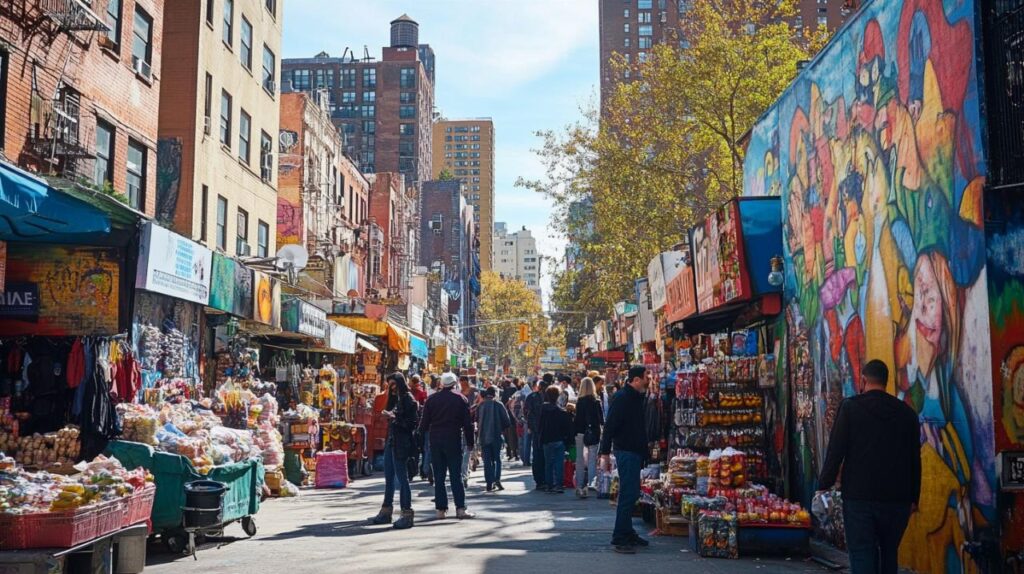
Urban art has emerged as one of the most dynamic forces reshaping our cities and communities, offering far more than mere decoration on concrete walls. From vibrant murals that transform derelict buildings into landmarks to provocative graffiti that challenges societal norms, this creative movement has fundamentally altered how we experience and interact with public spaces. What was once dismissed as vandalism has evolved into a respected form of cultural expression that speaks directly to everyday people, bypassing the exclusive galleries and museums that traditionally gatekeep the art world.
Transforming urban landscapes through public expression
The visual transformation brought about by urban art cannot be overstated. Where grey walls and crumbling facades once defined neglected neighbourhoods, vibrant murals now breathe life and colour into the urban fabric. Artists working in public spaces have discovered that their canvases reach audiences who might never set foot in a traditional gallery, democratising access to contemporary art in ways that previous generations could scarcely imagine. Resources like https://www.callecultura.es/ have documented how this movement has spread globally, connecting artists and communities through shared visual language.
Revitalising neglected neighbourhoods with vibrant murals
When artists turn their attention to forgotten corners of the city, remarkable transformations occur. Large-scale murals have proven particularly effective at revitalising areas that residents had long since written off as eyesores. These interventions do more than simply cover up decay; they signal investment, care, and attention to spaces that society had abandoned. The psychological impact on residents cannot be underestimated, as vibrant artwork creates a sense of pride and ownership that extends far beyond the immediate vicinity of the piece itself. Communities begin to see their neighbourhoods through fresh eyes, recognising potential where they previously saw only decline.
The economic effects follow naturally from this cultural shift. Areas adorned with striking street art increasingly attract visitors, from curious tourists to prospective residents seeking authentic urban experiences. Local businesses benefit from increased foot traffic, whilst property values often rise as neighbourhoods shed their stigma. This urban regeneration through artistic intervention has become a recognised strategy for city planners, though not without controversy. Critics rightly question whether such improvements ultimately serve existing residents or merely pave the way for gentrification that displaces the very communities the art purports to celebrate.
Creating visual dialogue in everyday spaces
Beyond their aesthetic contributions, urban artworks function as conversation starters embedded in the fabric of daily life. A thought-provoking stencil glimpsed during the morning commute, a massive mural depicting community struggles, or abstract paste-ups splashed across utility boxes all interrupt the monotony of routine and invite contemplation. This constant visual dialogue distinguishes street art from gallery pieces; rather than requiring a deliberate visit to a designated cultural space, urban art ambushes viewers in their ordinary movements through the city.
The messages conveyed range from the overtly political to the purely aesthetic, yet all make statements about what deserves attention in public consciousness. Artists like Banksy and Shepard Fairey have demonstrated how street art can elevate social commentary to global awareness, their works reproduced endlessly across social media and traditional news outlets. Yet countless lesser-known creators contribute equally vital perspectives, using spray paint and stencilling techniques to voice concerns specific to their localities. This multiplicity of voices transforms city streets into an ongoing public forum where anyone with sufficient skill and audacity can contribute to the cultural conversation.
Fostering community engagement and social cohesion
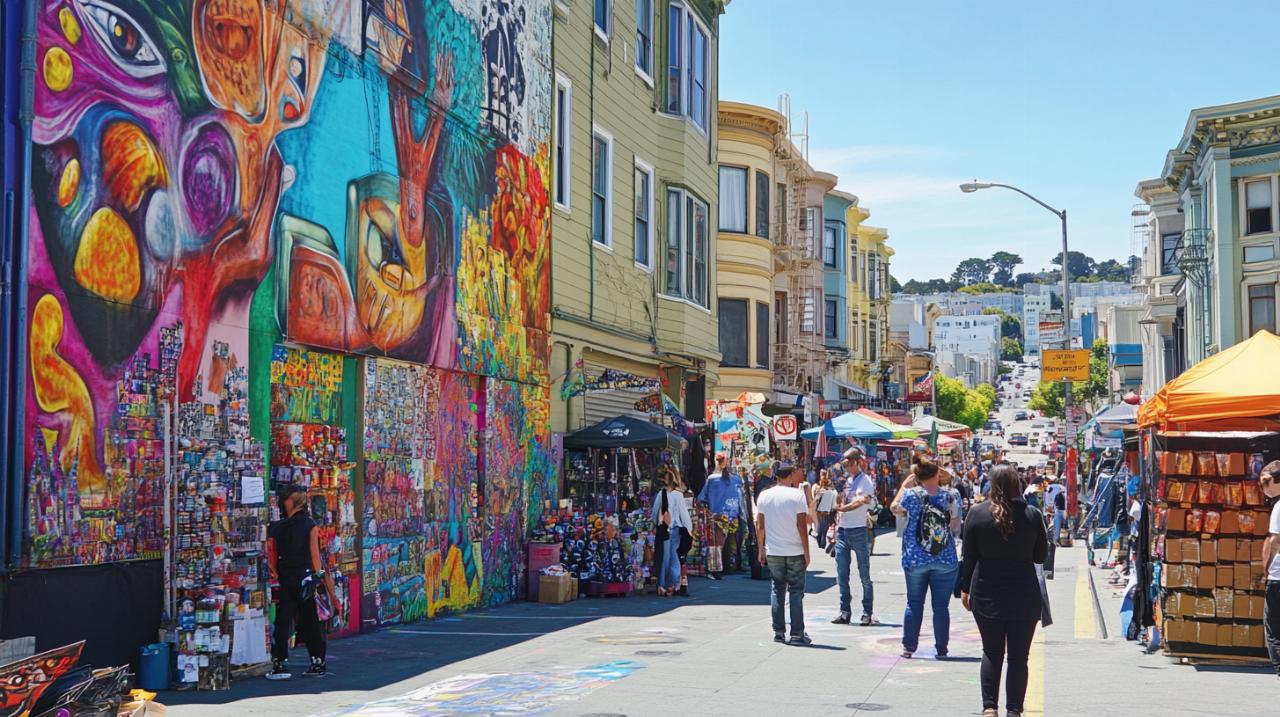
Perhaps the most profound impact of urban art lies not in the finished pieces themselves but in the processes that bring them into being. When communities actively participate in creating public artworks, the experience forges connections that transcend the visual result. These collaborative endeavours transform passive residents into active stakeholders in their shared environment, building social capital through creative cooperation.
Collaborative street art projects bringing residents together
Community mural projects have emerged as particularly powerful tools for social cohesion. When diverse groups of residents contribute to a shared artistic vision, they necessarily engage with one another, negotiate aesthetic decisions, and work towards common goals. These interactions break down barriers between neighbours who might otherwise remain strangers, creating networks of relationships that persist long after the paint has dried. Youth programmes incorporating street art techniques provide at-risk young people with constructive outlets for expression whilst connecting them with mentors and peers who share creative interests.
The physical act of creating art together in public spaces carries symbolic weight as well. Residents literally reshape their environment through collective effort, demonstrating that change is possible when people organise around shared purposes. This empowerment extends beyond the immediate project, often catalysing further community initiatives addressing local concerns. The artwork itself becomes a tangible reminder of what collaboration can achieve, visible proof that residents need not passively accept the conditions imposed upon them by distant authorities or market forces.
Building shared identity through local creative expression
Urban art projects frequently draw upon specific cultural histories and community narratives, translating collective memories and aspirations into visual form. Murals depicting neighbourhood histories, celebrating local heroes, or illustrating shared struggles serve to codify community identity in ways that reinforce social bonds. Residents see their stories reflected back to them on public walls, validating experiences that mainstream culture often ignores or marginalises. This representation matters profoundly, particularly for communities whose contributions to the broader society receive insufficient recognition.
The accessibility of street art ensures that these identity-affirming images reach the widest possible audience. Unlike museum exhibitions that require admission fees and adherence to institutional norms, murals and graffiti speak directly to passersby regardless of their economic status or cultural capital. This democratic quality distinguishes urban art from more traditional artistic practices, making it particularly valuable for communities seeking to assert their presence and worth in cities increasingly shaped by commercial interests. The ongoing tension between urban art as genuine community expression and its co-optation for marketing purposes remains unresolved, with corporate interests increasingly recognising the commercial value of street art aesthetics whilst often stripping away their subversive content.
The debate surrounding urban art reflects broader questions about who controls public space and whose voices deserve amplification. Whilst some dismiss unauthorised artwork as vandalism that degrades shared environments, others recognise it as essential democratic expression that challenges the visual monopoly of advertising and official messaging. This tension will likely persist, yet the undeniable impact of urban art on daily life and society ensures its continued relevance as cities evolve in the coming decades.