
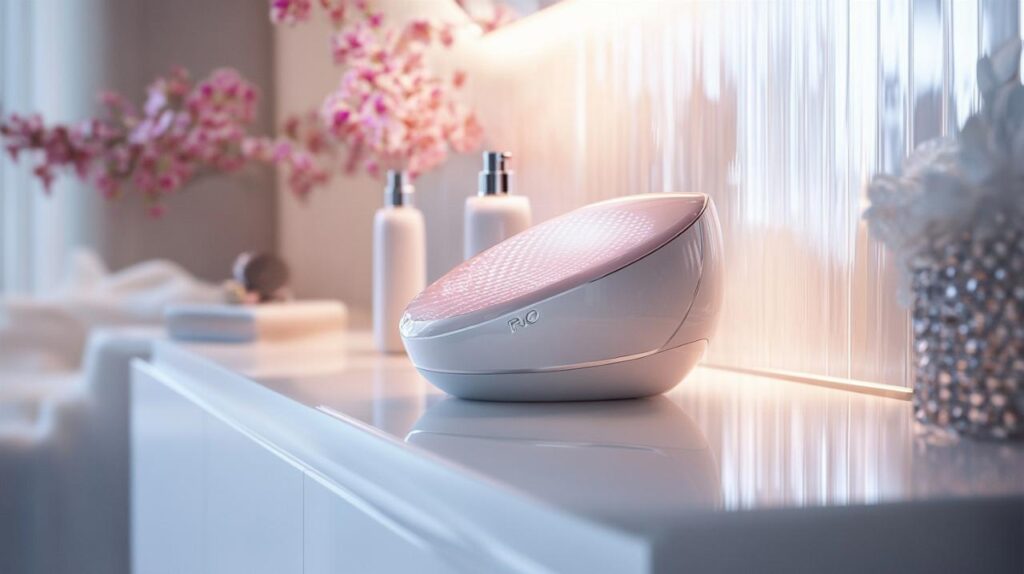
Hair removal technology has evolved dramatically over recent years, offering individuals the opportunity to manage unwanted body hair from the comfort of their own homes. The RIO IPL 8000 represents a significant advancement in this field, combining sophisticated light-based technology with user-friendly design to deliver professional-quality results without the need for salon appointments or clinical visits. Understanding how these devices work and what makes them effective requires exploring the science behind intense pulsed light and the specific features that set modern home hair removal systems apart from their predecessors.
Understanding ipl technology: how light-based hair removal works
The fundamental principles of intense pulsed light systems
Intense pulsed light technology operates on a remarkably elegant principle that harnesses the selective absorption of light energy by melanin, the pigment responsible for giving hair its colour. When the device emits broad-spectrum light at wavelengths ranging from 475 to 1200 nanometres, this energy travels through the skin and is absorbed by the melanin concentrated within the hair follicle. The absorption process generates heat, which damages the follicle structure and disrupts its ability to produce new hair growth. This selective targeting means that surrounding skin tissue remains largely unaffected, as the melanin in the hair shaft and follicle absorbs the majority of the light energy.
The effectiveness of IPL hair removal depends on several interconnected factors, including the contrast between skin tone and hair colour, the device's energy density, and the consistency of treatment applications. Clinical trials have demonstrated impressive results, with studies showing that participants experienced an average hair reduction of approximately 78 percent after completing a course of treatments. These findings underscore the technology's capacity to deliver meaningful, long-term reduction in hair growth when used according to recommended protocols. The pulse rate of modern IPL devices has been optimised to balance treatment speed with safety, typically delivering one pulse every few seconds to allow the skin to recover between applications whilst maintaining treatment efficiency.
Ipl versus traditional laser: key differences and advantages
Whilst both IPL and laser technologies aim to achieve permanent hair reduction by targeting melanin within the hair follicle, they differ fundamentally in their approach and application. Laser hair removal utilises a single, highly concentrated wavelength of light, typically around 808 nanometres, which provides extremely precise targeting of individual hairs. The Target and Treat technology found in some laser devices allows for focused treatment of specific hair follicles, potentially disabling the hair root in a matter of seconds. This precision makes laser particularly effective for treating smaller areas or addressing stubborn individual hairs that persist after initial treatment courses.
IPL systems, by contrast, emit a broader spectrum of light wavelengths, allowing them to cover larger treatment areas more quickly. This makes IPL devices exceptionally practical for treating extensive body regions such as the legs, arms, and back, where speed and coverage matter considerably. The broader wavelength range also means that IPL can be effective across a wider variety of hair colours and thicknesses, though both technologies share the limitation of being less effective on very light, grey, or white hair due to the reduced melanin content. Many individuals find that IPL offers an excellent balance between effectiveness, treatment speed, and versatility, particularly when addressing multiple body areas during a single session.
The rio ipl 8000: technical specifications and treatment capabilities
Device features and clinical performance standards
The RIO IPL 8000 has been engineered to deliver clinical-grade performance whilst remaining accessible and straightforward for home users. The device operates with a maximum energy density of 5 joules per square centimetre, a specification that represents a carefully calibrated balance between effectiveness and safety. This energy level has been validated through clinical evaluation, with studies confirming that low-energy treatment protocols can achieve substantial hair reduction without compromising user safety. The beauty device incorporates advanced cooling mechanisms and carefully timed pulse delivery to ensure comfortable treatment sessions, even for individuals with more sensitive skin.
The treatment areas suitable for the RIO IPL 8000 encompass virtually all body regions where unwanted hair commonly appears, including facial hair removal, underarm treatment, bikini line grooming, and leg hair removal. The device's design accommodates both precision work on smaller areas and efficient coverage of larger expanses, making it a versatile solution for comprehensive hair management. Users consistently report high satisfaction rates, with the overwhelming majority noting visible reductions in hair count and density after completing their initial treatment course. The cosmetic treatment outcomes align closely with those observed in professional settings, demonstrating that at-home devices have reached a level of sophistication that genuinely rivals salon alternatives.
Safety mechanisms and skin tone compatibility
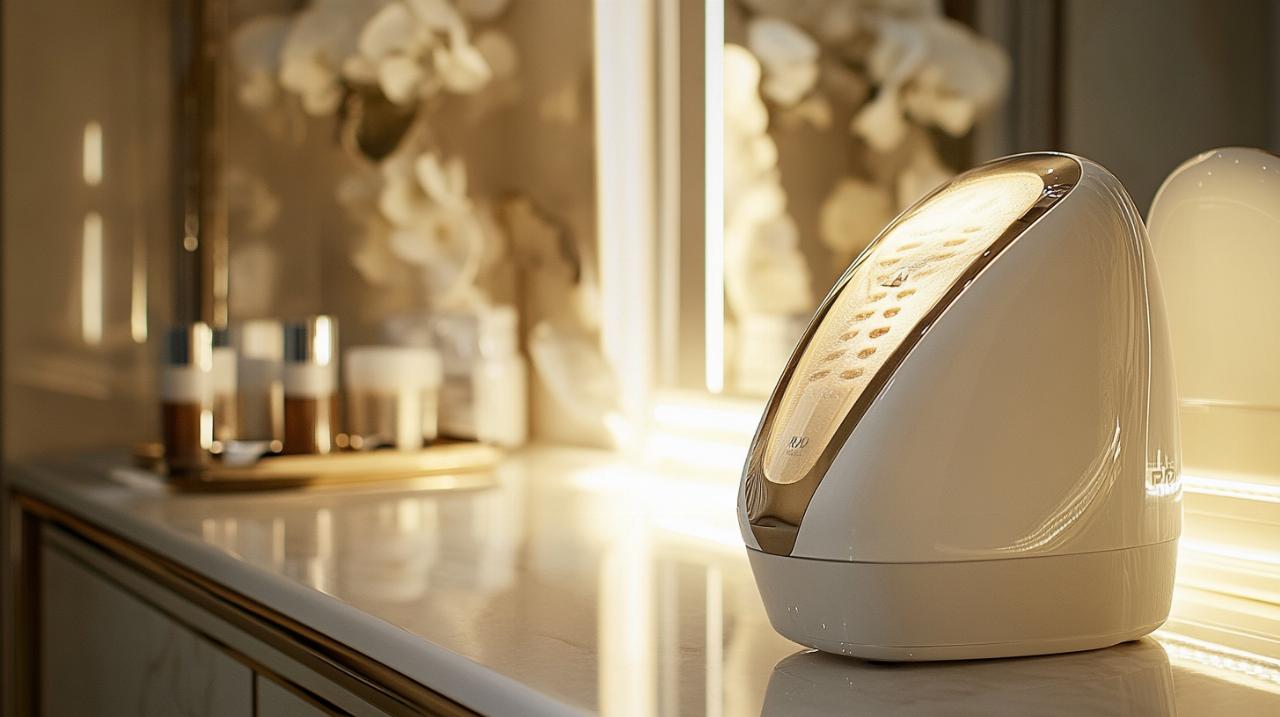
Safety represents a paramount consideration in the design of any home hair removal device, and the RIO IPL 8000 incorporates multiple protective features to prevent misuse and minimise potential side effects. Skin contact sensors ensure that the device only activates when properly positioned against the treatment area, preventing accidental discharge and ensuring consistent energy delivery. The security button sequence requires deliberate activation, reducing the likelihood of unintended operation, whilst visual indicators help users confirm proper device function throughout each session.
Skin type suitability constitutes an essential factor when considering any light-based hair removal technology. The RIO IPL 8000 performs optimally on individuals with lighter skin tones and darker hair, where the contrast between skin and hair melanin allows for selective targeting of the follicle. However, certain contraindications must be observed to ensure both safety and effectiveness. The device is not suitable for Afro-Caribbean or particularly dark skin tones, as the higher melanin concentration in the skin itself can lead to excessive light absorption and potential complications. Similarly, white hair, grey hair, and very blonde hair contain insufficient melanin to absorb the light energy effectively, rendering treatment largely ineffective on these hair colours. Before beginning any treatment course, users should conduct a patch test 24 hours in advance to determine the appropriate power level for their individual skin sensitivity and to identify any adverse reactions.
Achieving Permanent Hair Reduction: What to Expect from Your Treatment Journey
Treatment protocols and recommended application schedules
Achieving optimal results with the RIO IPL 8000 requires adherence to a structured treatment protocol that accounts for the natural growth cycles of hair. Hair follicles progress through distinct phases of growth, rest, and shedding, and light-based treatments are most effective when the hair is in its active growth phase. This biological reality necessitates multiple treatment sessions spaced appropriately to catch different follicles as they enter their growth phase. The standard recommendation involves completing six treatments over a six-month course, with initial sessions typically scheduled every two weeks to establish a foundation of follicle disruption.
Proper preparation enhances both the safety and efficacy of each treatment session. Users should ensure that the treatment area is clean, dry, and free from cosmetics, lotions, or other products that might interfere with light transmission. Jewellery should be removed from the vicinity of the treatment area, and longer hairs should be trimmed to allow clear visibility of the hair base whilst leaving sufficient shaft length for the light to target. For facial applications, a magnifying mirror with five to ten times magnification can assist in precise targeting, particularly when addressing finer hairs or more delicate areas. Establishing a comfortable, well-lit treatment space and allowing adequate time for each session helps ensure thorough coverage and consistent results.
Long-term results and maintenance requirements
The long-term results achievable with the RIO IPL 8000 have been documented through both clinical research and extensive user experience. Studies tracking participants for several months following their final treatment session revealed that hair reduction efficacy remained substantial, with measurements showing approximately 72 percent reduction persisting three months after the completion of treatment. These findings indicate that the benefits of IPL extend well beyond the immediate post-treatment period, offering lasting improvement in hair density and growth rate.
Permanent hair reduction, however, does not necessarily equate to complete and permanent elimination of all hair in the treated areas. Some hair follicles may remain active or may eventually resume limited production after extended periods, particularly in response to hormonal changes or other physiological factors. For this reason, many users incorporate periodic maintenance treatments into their long-term hair management strategy, applying the device once every few months to address any regrowth and maintain their desired level of smoothness. The safety profile of the RIO IPL 8000 supports this approach, as the device has demonstrated excellent tolerability even with extended use, with no serious side effects recorded in clinical evaluation. By understanding both the capabilities and limitations of IPL technology, users can establish realistic expectations and develop treatment routines that deliver satisfying, enduring results whilst respecting their skin's unique characteristics and needs.